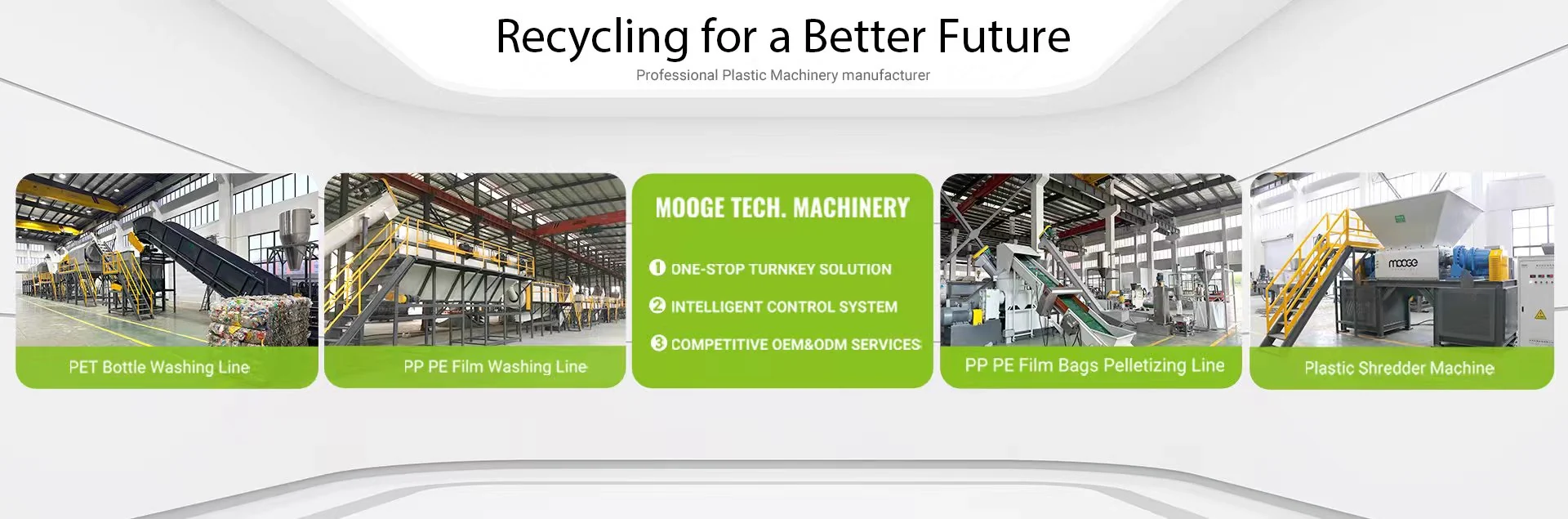
Buyers sourcing PET recycling equipment usually face the same problem: too many suppliers, too many vague product pages, and not enough real process detail to compare machines properly. This guide is written to solve that problem. It walks through exactly how a complete
R-PET Plastic Recycling Line works, stage by stage, so procurement managers, project contractors, and factory owners can evaluate the equipment with confidence before requesting a quotation.
A
R-PET Plastic Recycling Line takes baled, post-consumer PET bottles and turns them into clean, sellable PET flakes through mechanical washing, sorting, and drying. It is the core equipment behind recycled PET (rPET) supply chains used in polyester fiber, sheet, strapping, and packaging production worldwide. Below, we break down each stage of the line, the machines involved, typical capacity ranges, and the practical questions international buyers ask before placing an order.
What Is an R-PET Plastic Recycling Line?

An
R-PET Plastic Recycling Line is a complete industrial system that converts waste PET bottles into clean, reusable PET flakes. The line processes waste PET mineral water bottles, beverage bottles, oil bottles, PET sheet offcuts, and other PET packaging containers that arrive at the factory compressed into bales.
The finished output is fiber-grade PET flakes, typically reaching around 99.5% purity with roughly 1% residual moisture, depending on incoming material quality and line configuration. These flakes can then be sold directly or further processed downstream into polyester staple fiber, PET sheet, or PET strapping.
A complete line integrates more than 30 individual machines working together — from bale opening and pre-sorting, through hot washing and friction washing, to drying, optical sorting, and automatic bagging. Because each stage affects the purity and consistency of the final flakes, understanding how the stages connect is more useful for buyers than looking at a single machine in isolation.
R-PET Plastic Recycling Line Process: Step-by-Step Overview
Every
R-PET Plastic Recycling Line follows the same general logic, even though the exact machine selection can be customized to a buyer's material condition and target output. In broad terms, the process moves through these stages:
- Feeding and pre-sorting of baled PET bottles
- Removal of metal, sand, and coarse contaminants
- Bottle washing and label stripping
- Optical and manual sorting by color and material
- Crushing into PET flakes
- Hot washing with chemical treatment to remove glue, oil, and dirt
- Friction washing and multi-stage rinsing
- Waste water treatment and recycling
- Dewatering and drying
- Final purification and classification
- High-purity optical and metal sorting
- Automatic bagging and PLC-based control
The sections below explain each stage in detail, along with the specific machines used and the role each one plays in final flake quality.
Feeding & Pre-Sorting Stage
Steel Chain Conveyor, De-baling Machine, Trommel MachineThe process begins with the
Steel Chain Conveyor, a heavy-duty feeding system that loads large, heavy PET bales onto the line after the steel binding wire is cut. This conveyor is built to handle continuous, stable feeding without interruption, which keeps the entire line running at a steady pace.
Next, the
De-baling Machine breaks the compressed bales into loose, separated bottles using a wear-resistant rotating shaft. Both horizontal and vertical de-baling configurations are available, depending on factory layout and bale size.
The loosened bottles then pass through the
Trommel Machine, a rotating drum screen that removes sand, dirt, and small loose particles before the bottles move further down the line. This early cleaning step reduces wear on downstream equipment and improves the consistency of material entering the washing stages.
Impurity & Metal Removal Stage
Pre-sorting Conveyor Belt, High Speed Magnetic Conveyor, Automatic Metal DetectorOn the
Pre-sorting Conveyor Belt, workers manually remove large non-PET items such as film, paper, oil bottles, and oversized containers. The belt speed is adjustable, which lets operators control inspection accuracy without slowing the whole line.
The
High Speed Magnetic Conveyor then uses a magnetic roller to automatically pull out ferrous metal before it reaches the crusher or washing tanks, protecting downstream machinery from damage.
Later in the process, an
Automatic Metal Detector provides a second, automated safeguard. If any metal is detected in the material stream, the system ejects the contaminated bottles without stopping the rest of the line — an important feature for buyers who need consistent uptime.
Bottle Washing & Label Removal Stage
High Speed Bottle Washing Machine, Label Remover Machine, Star Screen MachineThe
High Speed Bottle Washing Machine scrubs the bottle surface with a high-speed rotating shaft combined with water jet spraying, removing surface dirt before the bottles move to the next stage. Both hot-water and cold-water configurations are available depending on the level of contamination expected.
The
Label Remover Machine uses rotating and fixed blades to strip labels from the bottles at high speed, with an air blower system carrying the removed labels to a separate collection point.
A
Star Screen Machine then filters out any remaining small contaminants, such as loose label fragments and dust, using rotating star discs that create continuous vibration across the material stream.
Bottle Sorting Stage
High Speed Conveyor Belt, Optical Bottle Sorter, Manual Sorting BeltA
High Speed Conveyor Belt feeds bottles into the sorting stage at a steady, even rate, which is important for sorting accuracy further down the line.
The
Optical Bottle Sorter is one of the more advanced components in the line. It uses high-resolution cameras and image-processing software to identify bottles by color and material type, with sorting accuracy commonly reaching around 99%. This directly affects the purity of the final flakes, which matters for buyers targeting food-grade or fiber-grade specifications.
A
Manual Sorting Belt follows as a final visual check, where workers remove any non-PET bottles or off-color bottles the optical sorter may have missed.
Crushing Stage
Material Divide Tee Chute, Plastic CrusherSorted bottles pass through a
Material Divide Tee Chute, which splits the material flow between two parallel crushers. This design gives the line operational flexibility — one crusher can continue running while the other is serviced or has its blades sharpened, without stopping production.
The
Plastic Crusher then reduces the bottles into small PET flakes using high-speed rotary blades. Flake size can be adjusted using different screen mesh sizes to match a buyer's downstream processing requirements. If your project also involves rigid plastic waste outside PET, a standalone
Plastic Crusher/Grinder Machine can be configured separately for that material stream.
Hot Washing & Chemical Treatment Stage

Cold Water Sink-float Tank, Hot Washing Tank, Auto Chemical Feeding System, Inline Water Circulation SystemThe
Cold Water Sink-float Tank separates lighter contaminants, such as PP or PE caps and labels, from the heavier PET flakes, which sink to the bottom for collection by a screw conveyor.
Flakes then enter the
Hot Washing Tank, where hot water and chemical reagents remove glue, oil, and stubborn dirt. The tank is insulated and heated by steam, commonly reaching 80–90°C for effective cleaning.
An
Auto Chemical Feeding System monitors water pH automatically and adjusts the caustic soda dosage as needed, keeping washing effectiveness consistent without requiring constant manual monitoring.
The
Inline Water Circulation System works alongside the hot washing tank, using a vibration screen and storage tank to filter and recirculate wash water, reducing both water consumption and impurity carryover.
Friction Washing & Rinsing Stage
High Speed Friction Washer Machine, Floating Washing Tank, Spraying WasherThe
High Speed Friction Washer Machine rotates at speeds above 1,500 rpm, creating mechanical friction between the PET flakes and a surrounding screen mesh while water sprays wash away residual chemicals and dirt.
Flakes then pass through one or more
Floating Washing Tank units filled with clean water, rinsing away remaining caustic soda and surfactants. Buyers processing heavily contaminated bales often choose two or three tanks in series for a more thorough rinse.
A final
Spraying Washer stage uses high-pressure nozzles arranged in rows to flush away any last traces of chemical residue or fine particles before drying.
Waste Water Treatment System for R-PET Recycling Lines
A washing line of this scale generates a significant volume of waste water daily, so a
Waste Water Treatment system is a practical addition for most factories. A complete system typically includes flocculation, chemical reaction, dissolved air flotation, and sand filtration, allowing treated water to be reused in the line or discharged in line with local environmental standards. This is an important point for buyers operating in regions with strict discharge regulations, and it should be discussed with your supplier during the quotation stage.
Drying Stage
Horizontal Spin Dryer, Hot Air Drying SystemThe
Horizontal Spin Dryer uses centrifugal force at high rotor speed to remove surface moisture, typically reducing moisture content from 20–30% down to around 2–3% in a single pass.
A
Hot Air Drying System then finishes the drying process, using heated air — from electricity, thermal oil, or steam — to evaporate any remaining surface moisture before the flakes move to final purification.
Final Purification & Classification Stage
Magnetic Box Deferrization, Zig-zag Air Classifier, Straight Vibrating ScreenMagnetic Box Deferrization removes any final ferrous fines from the flakes using strong permanent magnets, protecting later processing steps from metal contamination.
The
Zig-zag Air Classifier uses adjustable airflow to separate lightweight contaminants, such as dust and label fragments, from the heavier, denser PET flakes.
A
Straight Vibrating Screen filters out fine particles using a screen mesh (commonly 3mm, or customized), improving the uniformity and bulk density of the finished flakes.
High-Purity Sorting Stage
Color Sorter Machine, Polymer Sorter Machine, Eddy Current MachineThe
Color Sorter Machine uses CCD or CMOS optical sensors with LED illumination to classify flakes by color, with sorting accuracy commonly above 98%. This matters directly for buyers who need clear or specific-color flakes for particular end applications.
The
Polymer Sorter Machine applies near-infrared (NIR) technology to distinguish PET from other plastics such as PE, PP, PVC, PS, or PA, catching any material that slipped through earlier sorting stages.
The
Eddy Current Machine provides a final non-ferrous metal safeguard, using electromagnetic induction to remove aluminum and similar contaminants before packing.
Packing & Automation Control Stage
Double Pneumatic Bagging Station, Electric CabinetThe
Double Pneumatic Bagging Station packs finished flakes into bags using an air-cylinder shaking mechanism to settle the material, with a two-station design that keeps packing efficient without slowing the line.
The
Electric Cabinet houses the PLC-based control system for the entire line. Buyers can choose a touch-screen interface for real-time monitoring, which simplifies operator training and gives plant managers a clear view of line performance.
From PET Flakes to Pellets: When You Need a Pelletizing Line
It's worth being clear about what this line produces: the output of a standard
R-PET Plastic Recycling Line is clean PET flakes, not pellets. Flakes are the standard raw material for polyester fiber, sheet, and strapping production, and many buyers purchase and sell flakes directly without further processing.
If your project specifically requires PET pellets — for example, for injection molding or certain resin applications — flakes need to go through an additional extrusion and pelletizing step. This is handled by a separate
Plastic Pelletizing Line, which can be configured to run alongside the washing line as part of a combined washing-and-pelletizing setup.
Applications of Recycled PET (R-PET) Flakes
Clean PET flakes produced by this line are used across several downstream industries, including:
- Polyester staple fiber for textiles and non-woven fabrics
- PET sheet used in packaging and thermoforming
- PET strapping for industrial packaging
- Feedstock for further pelletizing into rPET resin
Material & Customization Options
Because incoming bale quality varies significantly by region and collection method, the
R-PET Plastic Recycling Line is typically customized rather than sold as a fixed configuration. Common customization points include:
- Capacity, ranging from 500 kg/h up to 5,000 kg/h or higher for large-scale projects
- Hot-wash or cold-wash configuration for the bottle washing stage
- Number of floating washing tanks, depending on contamination level
- Manual or PLC touch-screen automation control
- Waste water treatment system, included or supplied separately
- Flake output size, adjustable through crusher screen mesh
Buyers working with mixed plastic waste streams, rather than PET-only bales, may also want to review the
PE/PP Film/Bags Recycling Line, which is designed for a different material profile and can run as a separate, parallel line.
Quality Control & Supplier Reliability

For a system with more than 30 integrated machines, consistent quality control matters as much as individual machine specifications. When evaluating a supplier for an
R-PET Plastic Recycling Line, ask about:
- Whether the manufacturer designs and draws equipment in-house or resells third-party machines
- Quality control checkpoints during manufacturing, not just final inspection
- PLC automation options and how the control system is documented
- After-sales technical support availability, including remote and on-site service
- Reference installations in a climate or capacity range similar to your project
You can review our company background, manufacturing facility, and certifications on the
About Us page before requesting a formal quotation.
R-PET Plastic Recycling Line Capacity & Technical Parameters
The table below outlines typical capacity and utility requirements across the MT-series
R-PET Plastic Recycling Line models. Actual figures may vary slightly based on incoming material condition and final customization.
| Model |
Capacity |
Installed Power |
Steam Use |
Water Supply |
Manpower |
Area Required |
| MT-500 |
500 kg/hr |
180 KW |
200 kg |
4–5 m³/hr |
4–6 Person |
60×3.5×6 m |
| MT-1000 |
1000 kg/hr |
260 KW |
300 kg |
5–7 m³/hr |
8–10 Person |
80×5×6 m |
| MT-2000 |
2000 kg/hr |
400 KW |
500 kg |
10–15 m³/hr |
10–12 Person |
100×6×7 m |
| MT-3000 |
3000 kg/hr |
600 KW |
750 kg |
15–20 m³/hr |
12–16 Person |
120×8×7 m |
| MT-4000 |
4000 kg/hr |
800 KW |
1000 kg |
20–30 m³/hr |
15–20 Person |
160×8×7 m |
| MT-5000 |
5000 kg/hr |
1000 KW |
1200 kg |
30–40 m³/hr |
15–20 Person |
175×8×7 m |
Export Support & Global Service
MOOGE supplies
R-PET Plastic Recycling Line equipment to buyers across North America, Europe, the Middle East, Asia-Pacific, South America, and Africa. Overseas support commonly includes remote debugging assistance, installation guidance, and operator training, which helps reduce downtime during commissioning — an important consideration for buyers importing equipment for the first time.
If you are comparing suppliers for an import project, it's reasonable to ask for shipping and export documentation support, spare parts lead times, and whether an engineer can travel on-site for installation and training.
Frequently Asked Questions
Q: What is the difference between R-PET flakes and virgin PET?A: R-PET flakes are produced by washing and processing recycled, post-consumer PET bottles, while virgin PET is made from new raw materials. R-PET flakes can be further processed into fiber, sheet, or pellets and are widely used as a lower-carbon-footprint alternative to virgin material.
Q: What capacity R-PET plastic recycling line do I need?A: Capacity depends on your available bale supply and target output. Smaller operations often start with 500–1000 kg/hr lines, while larger recycling facilities typically choose 2000–5000 kg/hr configurations. Sharing your target monthly output helps determine the right model.
Q: Can the line process mixed-color or lightly contaminated PET bottles?A: Yes. The optical bottle sorter and color sorter stages are specifically designed to separate bottles and flakes by color, and the hot washing and friction washing stages handle typical glue, oil, and dirt contamination found in baled post-consumer bottles.
Q: Does the output need further processing before use?A: The standard output is clean PET flakes, which many buyers use or sell directly. If pellets are required for your application, flakes need to pass through a separate pelletizing line with extrusion equipment.
Q: What is included in a waste water treatment setup?A: A typical setup includes flocculation, chemical reaction, dissolved air flotation, and sand filtration, allowing water to be reused in the washing process or discharged according to local environmental standards.
Q: What after-sales support is available for overseas buyers?A: Support typically includes remote debugging assistance, installation guidance, and operator training. Buyers should confirm specific service terms, spare parts availability, and on-site engineer availability during the quotation stage.
Conclusion
Choosing the right
R-PET Plastic Recycling Line comes down to understanding how each stage — from feeding and washing to drying and final sorting — affects the purity and consistency of your finished PET flakes. A well-configured line reduces contamination, improves output quality, and gives your operation a more stable, repeatable process.
If you're evaluating this equipment for a new project or an upgrade, share your material condition, target capacity, and local utility specifications with our team. We can help you configure the right line, provide a detailed quotation, and discuss customization, samples, or technical support based on your specific requirements.